How to Get Steam Wishlists & Launch Your Indie Game
· #game marketing #steam wishlists #indie games #game development #game assets
Discover how to plan your indie game marketing, optimize your Steam store page, and gather wishlists to ensure a successful launch.
Developing an amazing indie game is only half the battle. The other half—often overlooked by beginner and veteran developers alike—is getting players to discover and buy your project. Today, Steam remains the primary PC distribution platform, and understanding how the store works is essential to turning your hard work into actual sales.
Why Steam Wishlists Are Crucial
Wishlists are the primary metric for predicting your game's commercial potential on Steam. They go far beyond being a simple measure of player interest: they directly feed Valve's recommendation algorithm.
When a player adds your project to their wishlist, the platform automatically sends email notifications at three critical moments:
- On the game's official release day;
- When the title leaves Early Access or opens pre-orders;
- Whenever the game is discounted by 20% or more.
In addition, building a solid wishlist count before launch helps your game feature in high-traffic store sections, such as the 'Popular Upcoming' tab and even on the front page itself.
How Many Wishlists Do You Need Before Launch?
While there is no absolute magic number, industry data shows that the average first-week sales conversion rate ranges between 10% and 15% of your total pre-launch wishlists. This means that to hit a target of 1,000 copies sold in your first few days, you'll need to gather between 7,000 and 10,000 wishlists before hitting the release button.
Optimizing Your Steam Store Page for High Conversion
Your store page is your main storefront. Driving thousands of visitors to your page won't matter if your visual and written assets aren't convincing enough to convert those visitors into wishlists and sales.
1. Header Capsule Image
The capsule image is a player's first visual touchpoint while browsing Steam. It needs to immediately communicate your game's genre and mood. Invest in eye-catching, legible, and professional art, ensuring the title remains clear even at small thumbnail sizes.
2. Main Trailer
The first 5 seconds of your trailer determine whether a visitor keeps watching or leaves the page. Avoid long studio logo animations or slow cinematic intros. Jump straight into real gameplay, highlighting your stand-out mechanics and core gameplay hook.
3. Screenshot Gallery
Use 8 to 12 carefully selected screenshots. Ensure variety across your images:
- Combat or intense action moments;
- Exploration of detailed environments;
- Clear user interfaces and inventory systems;
- Boss encounters or intriguing narrative moments.
Avoid concept art or repetitive images in the main gallery. Players want to see exactly what they'll be playing.
4. Optimized Short Description
With only 300 characters available in the short description box, get straight to the point. Quickly answer:
- What is the game's genre?
- What is the core premise and gameplay loop?
- What makes this experience unique compared to similar titles?
Practical Marketing and Outreach Strategies
Indie game marketing should begin the moment you have a visually appealing prototype—not just a few weeks before launch.
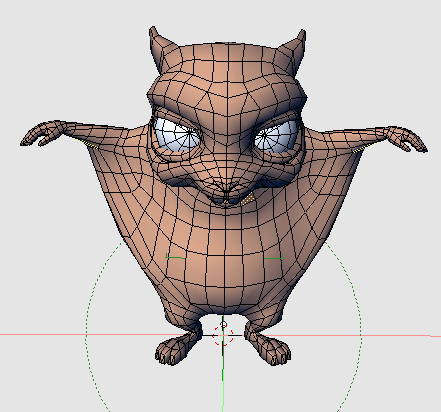 Modeling and viewing 3D objects in Blender. — Image: model by the Yo Frankie! team (see http://www.yofrankie.org/team/); rendered by User:Stepheng3 · CC BY 3.0 · Wikimedia Commons
Build a Community Early
- Social Media & Devlogs: Share short development clips on platforms like Twitter/X, TikTok, Reddit, and Bluesky. Short videos highlighting interesting mechanics or behind-the-scenes work tend to drive great engagement.
- Discord Server: Establish a direct connection with your audience. Use Discord to award exclusive roles, collect alpha/beta feedback, and keep players engaged leading up to launch.
- Steam Next Fest Participation: Releasing a polished demo during Steam's official event is one of the single most effective ways to trigger a rapid surge in wishlists.
Reaching Out to Content Creators
Send review keys to streamers and content creators on YouTube and Twitch who play games in your genre. Send personalized messages and provide a comprehensive press kit complete with high-resolution images, logos, and contact information.
Speed Up Development to Focus on Marketing
Time management is one of the biggest hurdles for independent developers. Balancing coding, art, level design, and marketing campaigns can quickly lead to burnout.
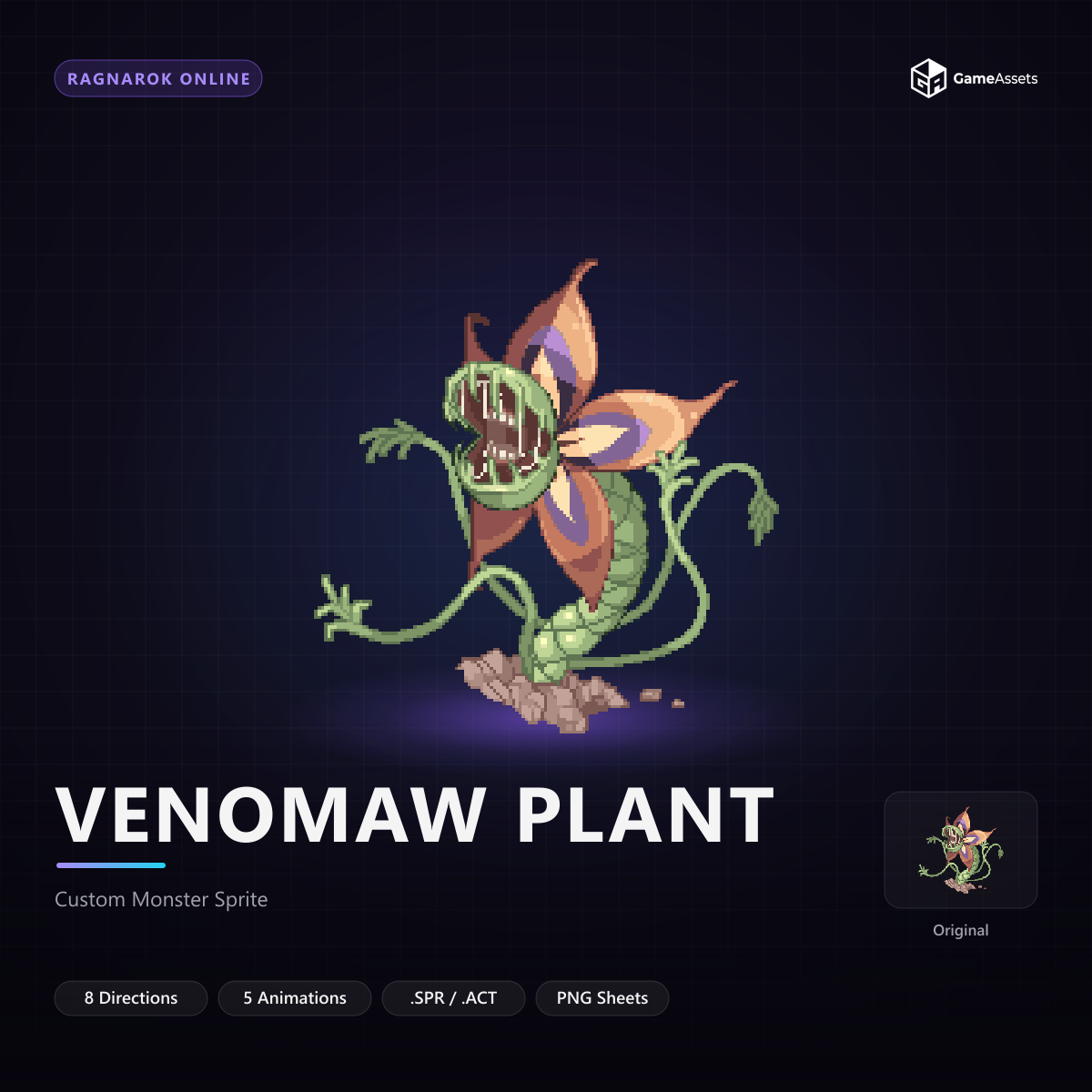
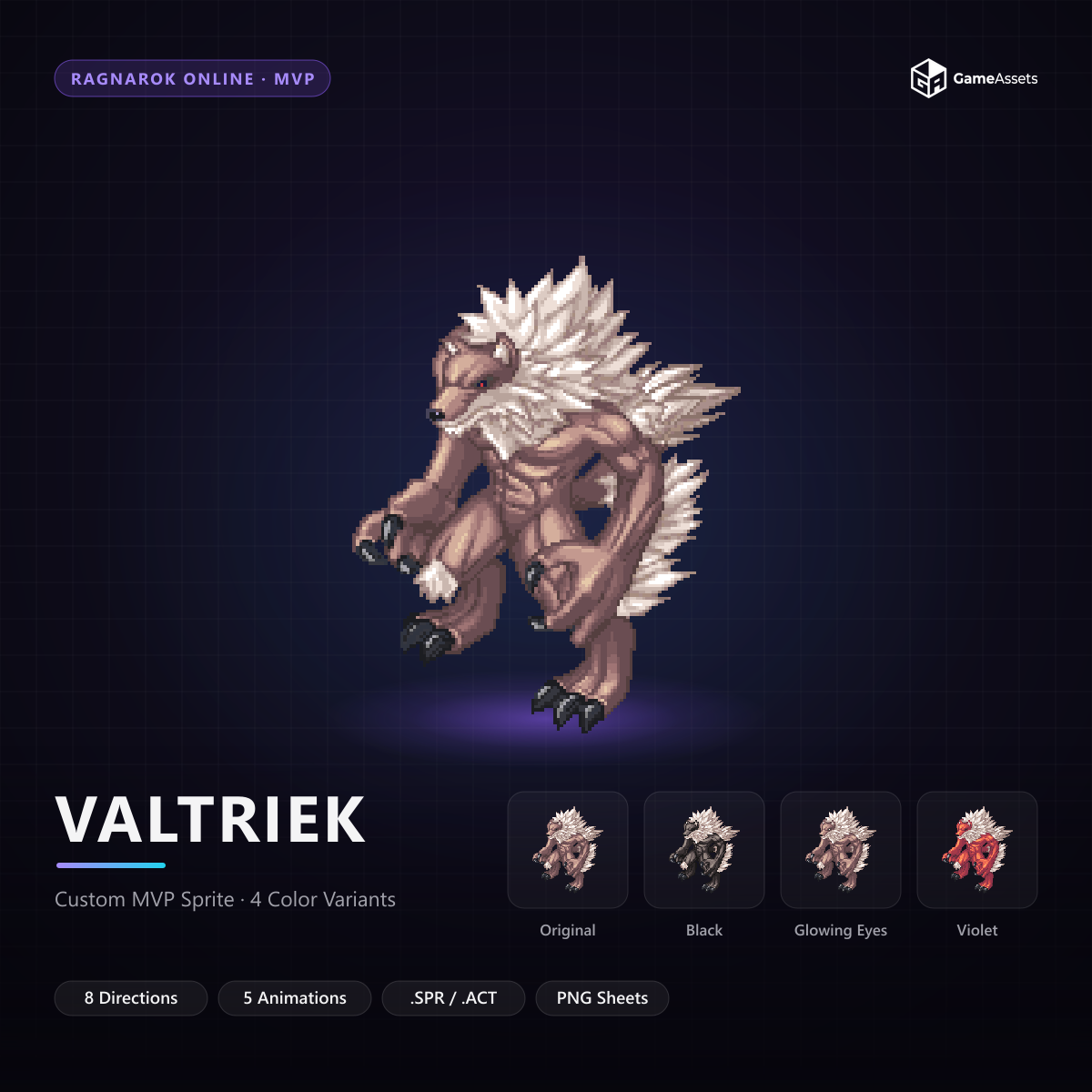
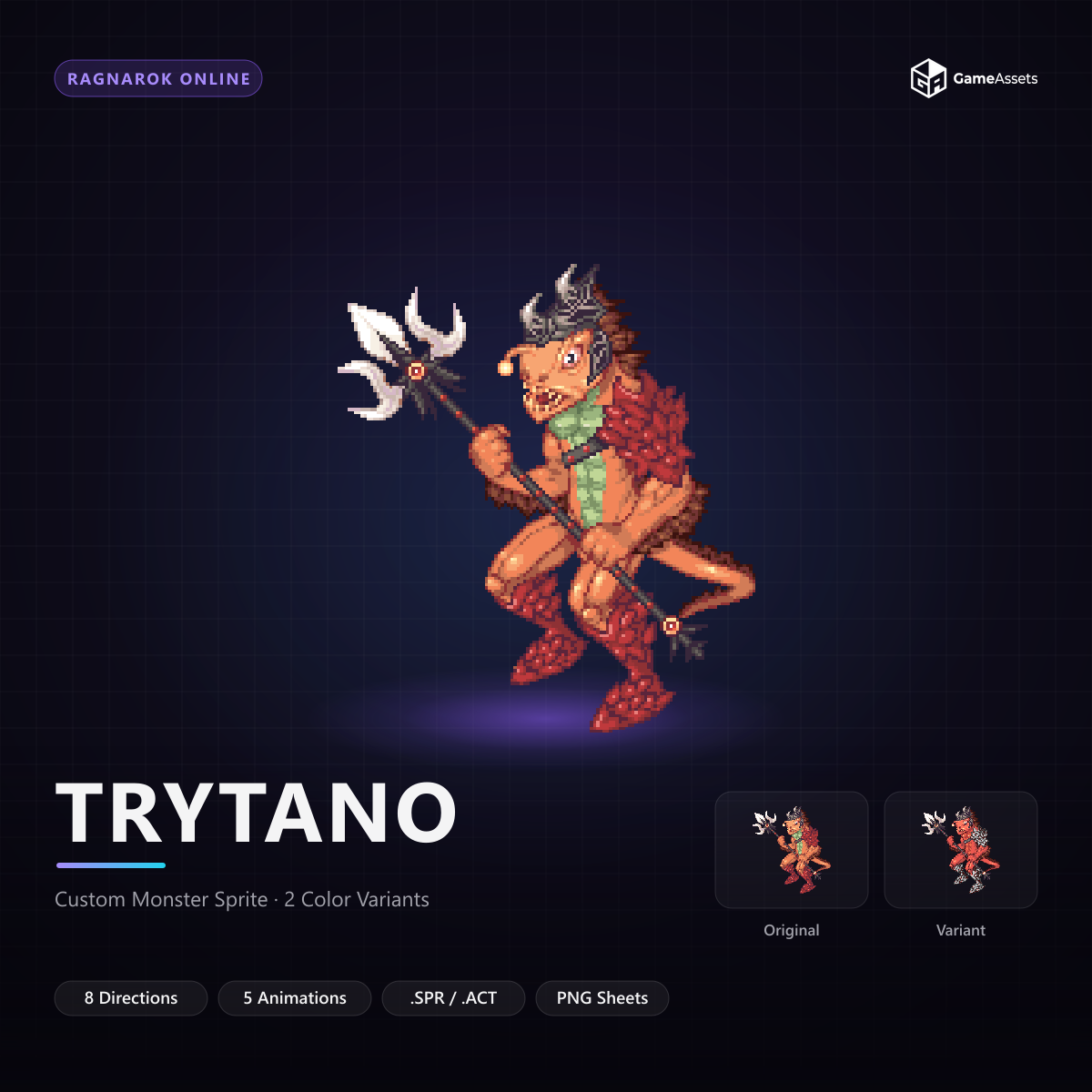
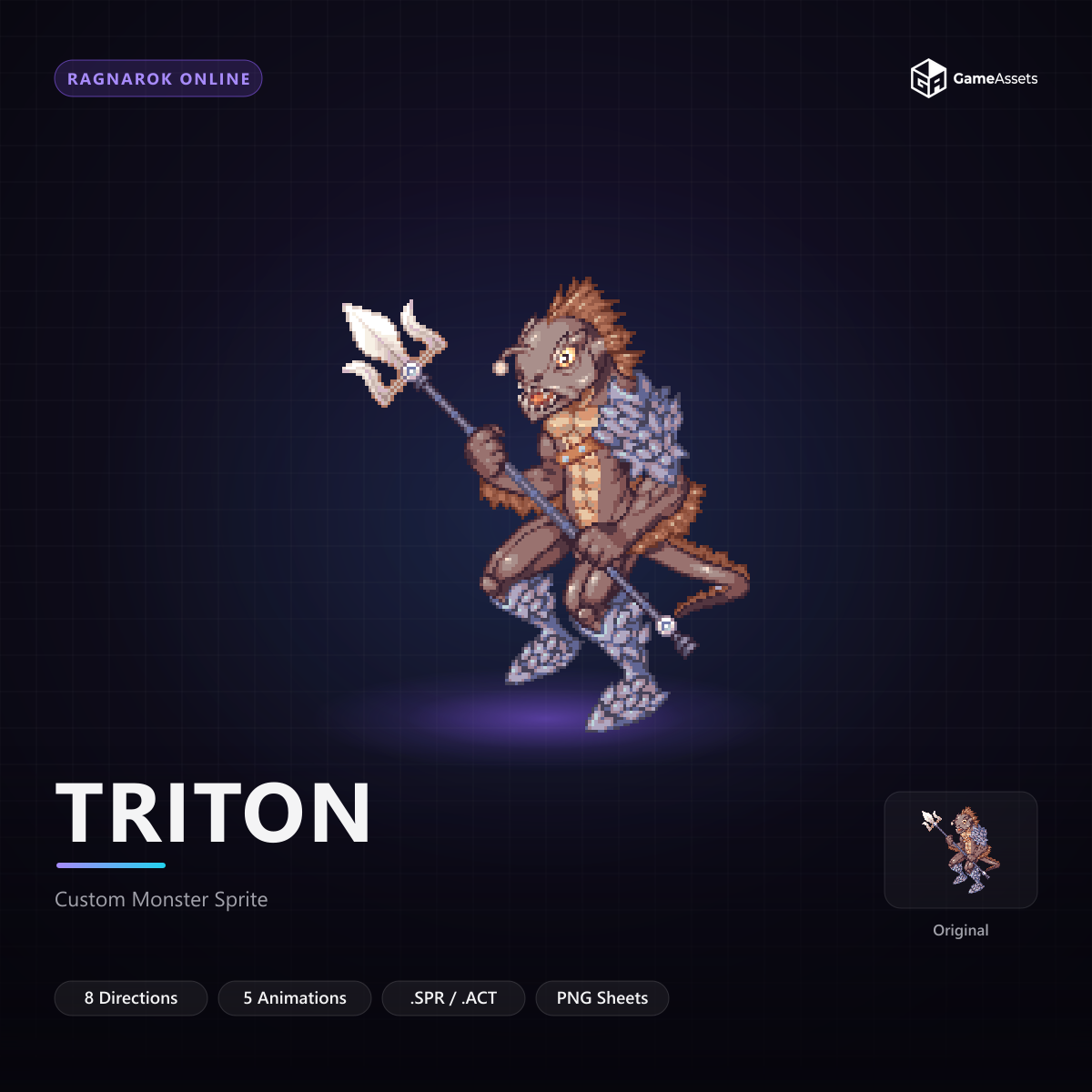
Creating every visual asset from scratch—such as tilesets, character animations, 3D models, or UI icons—demands hundreds of hours of tedious technical work. This is where smart use of pre-made, modular assets makes a massive strategic difference.
By integrating professionally made sprite packs, monsters, and 3D models into your project, you can save months of production time. That saved time can be reinvested directly into polishing game mechanics, optimizing performance, and executing your marketing strategy. Remember: players care about a fun, engaging experience, and streamlining development using ready-made resources is a standard, highly recommended industry practice.
Launch Week: Maximizing Your Impact
To ensure Steam's algorithm flags your title as a promising launch, follow these best practices during release week:
- Timing Matters: Avoid releasing alongside major AAA titles or massive Steam seasonal sales like the Summer or Winter Sales.
- Mobilize Your Community: Notify your Discord members, email list, and social media followers the exact moment your game goes live.
- Stay Active & Responsive: Monitor Steam discussion boards, host live streams on your product page, and roll out quick hotfixes for any bugs reported by early players.
Conclusion
Building a strong wishlist count and launching successfully on Steam requires planning, consistency, and efficient time management. By designing an engaging store page, maintaining ongoing promotional efforts, and using resources like pre-made assets to speed up development, you significantly increase your indie game's chances of standing out and achieving commercial success.